The Allure of Risk and Reward
The thrill of gambling often stems from the inherent risk and potential reward involved in each game. The unpredictability of outcomes ignites excitement in players, activating the brain’s reward systems. When someone places a bet, their anticipation builds, creating a rush that can feel exhilarating. This connection between risk-taking and pleasure can be traced back to our evolutionary instincts, where uncertainty often led to greater rewards in survival scenarios. In this evolving landscape, no kyc casinos have emerged, appealing to players who seek anonymity and ease of access while enjoying their favorite games.
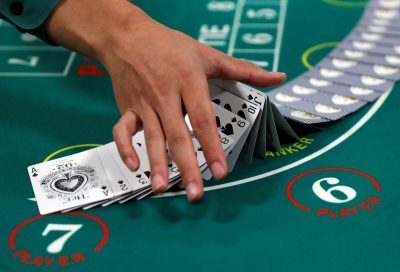
Moreover, the feeling of risk translates to a challenge, prompting individuals to seek strategies or develop skills in hopes of mastering the game. This sense of empowerment, mixed with the possibility of winning large sums, forms a potent draw that keeps players returning to the casino environment.
The Social Aspect of Gambling
Gambling is not just an individual pursuit; it serves as a social activity that fosters connections among players. Casinos provide a communal space where people can gather, share experiences, and enjoy each other’s company. Whether at a poker table or a slot machine, the interaction with others can amplify the enjoyment of the gamble itself.
Additionally, celebratory moments when someone wins can create a shared euphoria, strengthening social bonds. The buzz of a lively casino environment, filled with laughter and cheers, plays on our human desire for connection, making the experience not only about gambling but also about building relationships.
The Role of Environment and Design
The design of casinos is meticulously crafted to enhance the gambling experience. From the bright lights and vivid colors to the sounds of coins clinking and machines chiming, everything is orchestrated to create a stimulating atmosphere. This sensory overload can lead to a sense of euphoria, encouraging players to immerse themselves in the experience.
Furthermore, casinos are designed to disorient players, often lacking windows or clocks to alter their perception of time. This strategic layout encourages longer sessions of play, as individuals lose track of their surroundings. The psychological manipulation of space contributes significantly to the allure of casinos, drawing in players and keeping them engaged longer than they may have intended.
The Psychological Mechanisms Behind Gambling Addiction
While many gamble for fun, some individuals may develop addictive behaviors related to gambling. The psychology behind this addiction often involves a combination of reward sensitivity, cognitive biases, and emotional regulation. Players may experience a high when they win, leading them to chase that feeling, even at the risk of significant losses.
Cognitive biases, such as the illusion of control and gambler’s fallacy, further entrench these behaviors. Players might believe that their actions can influence outcomes, leading to repeated gambling despite losses. Understanding these psychological mechanisms is crucial in addressing gambling addiction and helping individuals find healthier coping strategies.

Understanding the Impact of Online Casinos
The rise of online gambling platforms has transformed the traditional casino experience. With the convenience of accessing games from anywhere, more people are drawn to gambling. This shift has altered the psychological dynamics of gambling, as players can engage at any time without the social pressures of a physical casino.
Online casinos often utilize various strategies, such as bonuses and gamification, to enhance user engagement. The psychological impact of these techniques can be profound, making it essential for players to remain aware of their habits and set limits. As online gambling continues to grow, understanding its psychological implications is more important than ever to ensure a safe gaming environment.